Contact
Energy stored. Future delivered.

Dangerous Goods Transport

Dangerous goods transport for Class 9 lithium-ion batteries from Paderborn to more than 40 countries, also by rail and sea freight.

In brief

Dangerous goods transport under ADR, briefly explained

Dangerous goods transport for batteries means carrying lithium-ion batteries as class 9 dangerous goods under ADR, classified as UN 3480 (shipped on their own) or UN 3481 (in or with equipment). The European Battery Hub (EBH) in Paderborn handles transport with its own ADR vehicles and, on request, the labeling of the shipment. For liability reasons, classification is the consignor's responsibility, as are packaging and transport documents. For each item we need the safety data sheet (MSDS) and the UN 38.3 test summary. Transport is part of our battery logistics.

Dangerous goods transport

To more than 40 countries.
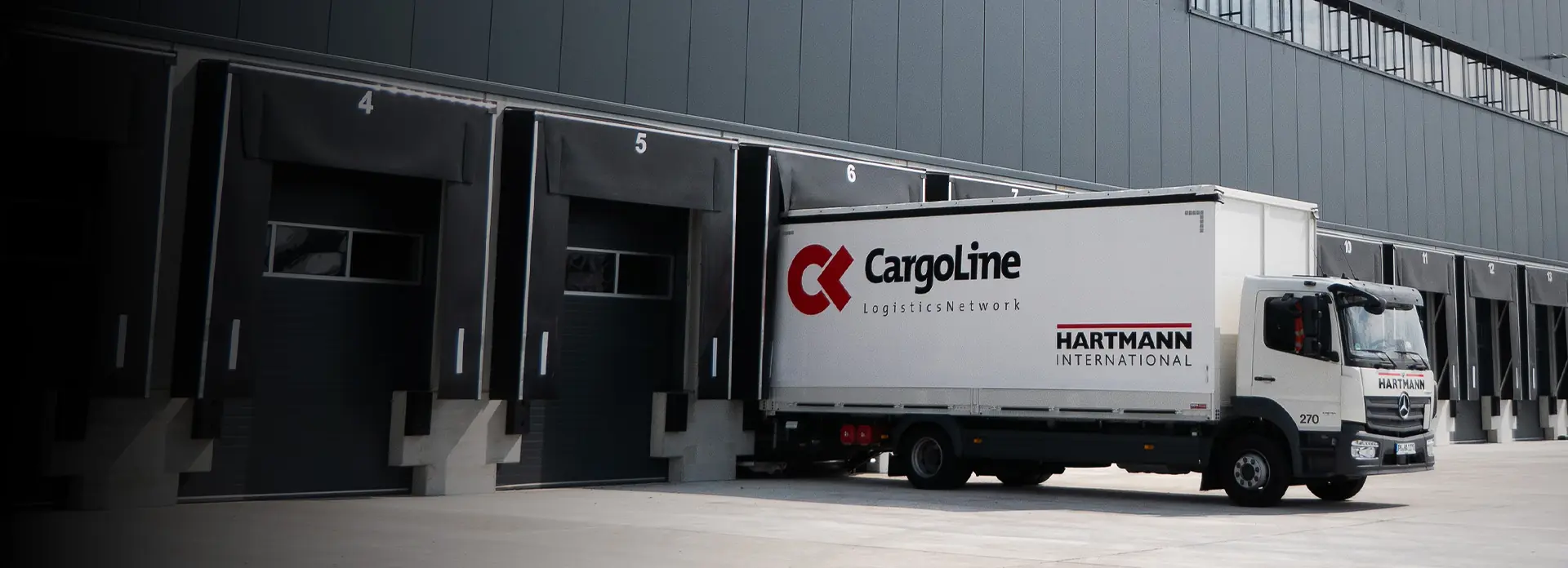
With our own ADR fleet.

  • Specially trained staff
  • 5-tonne forklift on board to set down the containment box at your site
  • Storage, customs and transport with one contact person
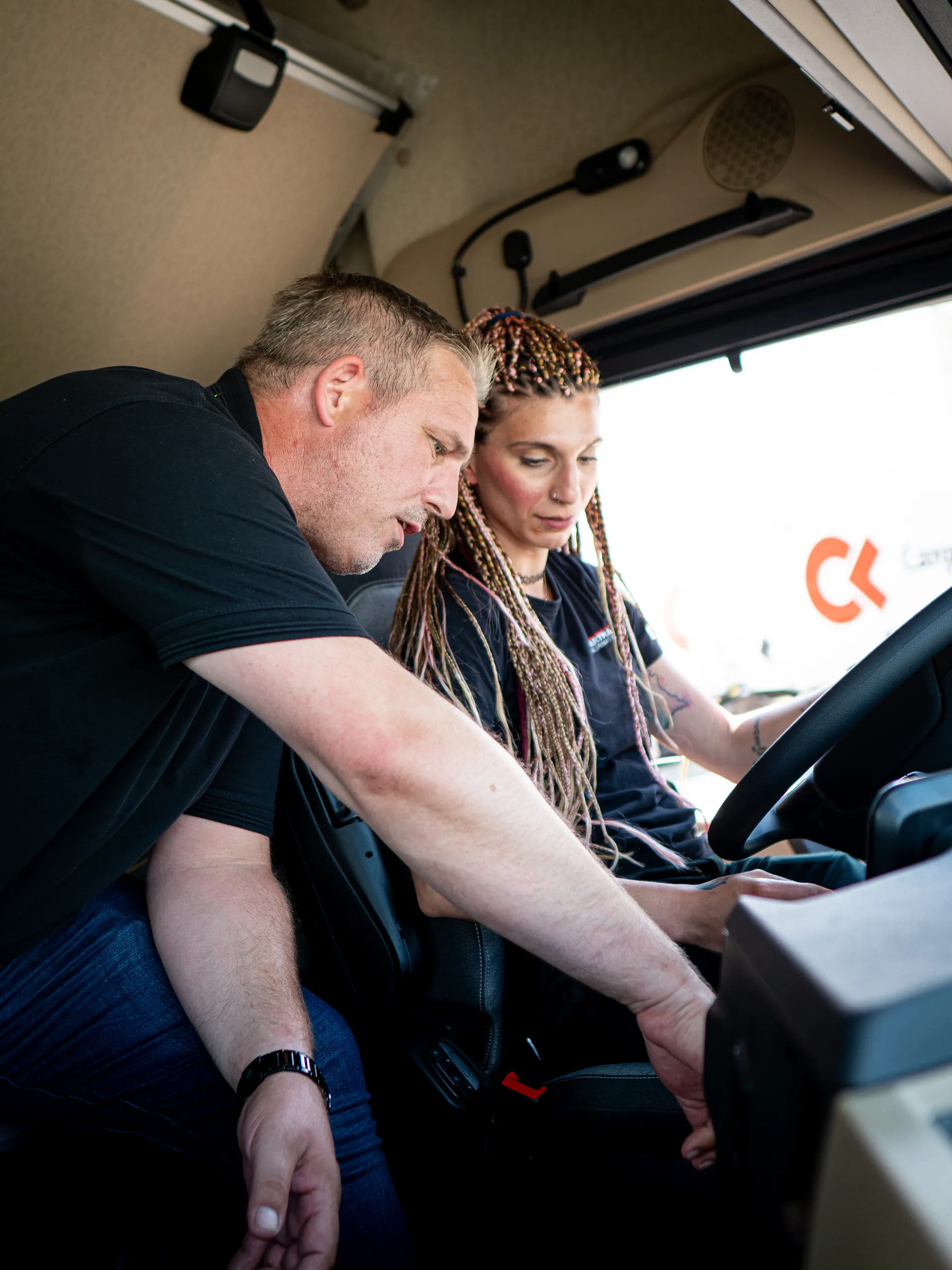
Briefing in the cab of a Hartmann International truck

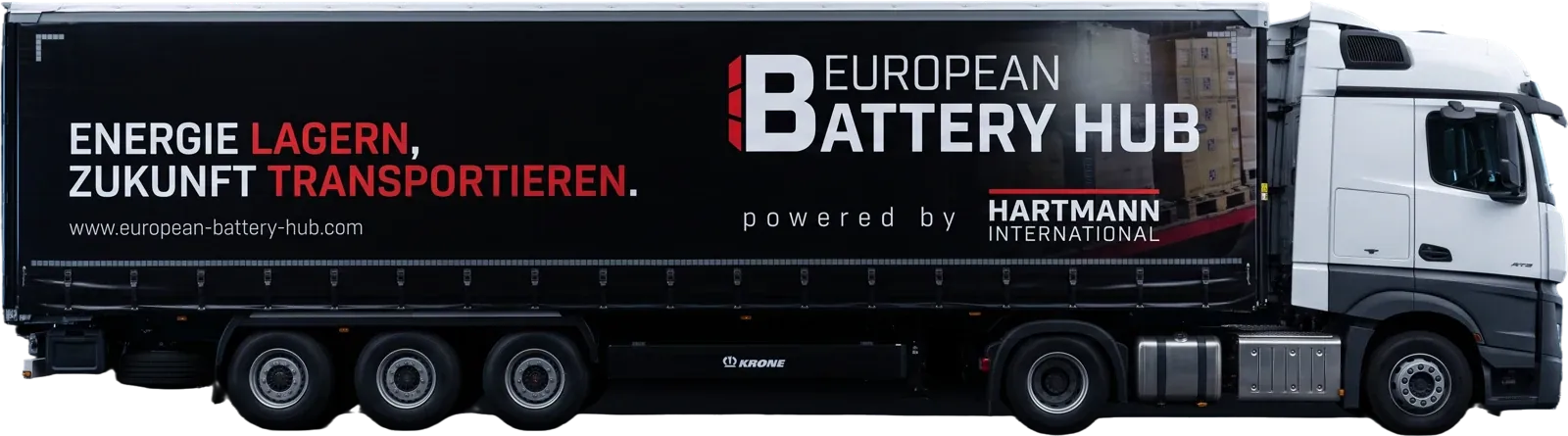
Our own ADR vehicles and trained staff

For dangerous goods transport the European Battery Hub uses its own, technically up-to-date vehicles and staff specially trained for ADR transport. The vehicles carry a 5-tonne forklift on board, which sets the battery containment box with BAM specification 15854 down directly at your site.

We arrange the collection and transport of damaged or defective batteries and spent batteries through a specialized partner. Collection and transport to the recycling plant are integrated into the EBH battery logistics and emergency response plan.

Classification

When is a battery shipment dangerous goods?

Lithium-ion batteries are class 9 dangerous goods. Shipped on their own they are UN 3480; in or packed with equipment they are UN 3481 (more on UN 3480 and UN 3481). Batteries installed in a cargo transport unit, such as a battery storage container, are UN 3536. Lithium metal batteries have their own UN numbers (UN 3090 and UN 3091).

Small cells up to 20 Wh and batteries up to 100 Wh can be exempted from the other ADR provisions under special provision 188, provided packaging, marking and a passed UN 38.3 type test are in place. Larger batteries are fully regulated. Up to the quantity threshold of ADR 1.1.3.6 (the 1,000-point rule; for lithium-ion batteries in transport category 2 this means 333 kg of battery mass excluding packaging per transport unit), orange plates and the driver's ADR training certificate are not required; the transport document and staff instruction remain mandatory.

Damaged and defective batteries fall under special provision 376 (packing instruction P908, P911 for critically defective batteries); waste batteries for disposal fall under special provision 377 with P909. Read more on damaged and defective batteries, lithium batteries as dangerous goods under ADR and ADR 2025 for batteries.

Regulations

Regulations by mode of transport

Classification as class 9 stays the same on every route. Which rules apply, and what they mean for packaging, documents and quantities, depends on the mode of transport. We choose the route and agree with you which documents it requires; the transport documents are the consignor's responsibility.

ModeRegulationWhat it means for lithium batteries
RoadADR, implemented in Germany by the GGVSEBUN 3480 or UN 3481, packing instruction P903, hazard label model 9A (for consignments under special provision 188, the battery mark instead), transport document and instructions in writing; relief up to 333 kg of battery mass excluding packaging per transport unit (1.1.3.6)
RailRID (GGVSEB)Structured largely like ADR: same classes, UN numbers and packing instructions
Inland waterwayADN (GGVSEB)Same classification as on the road, plus additional rules for vessel and crew
SeaIMDG Code, in Germany the GGVSeeTransport document under IMDG Code 5.4.1 (dangerous goods declaration), container packing certificate, stowage and segregation on board; more on sea freight under the IMDG Code
AirICAO TI and IATA DGRUN 3480 on cargo aircraft only and at no more than 30 % state of charge; tighter quantity and packaging limits than on the ground
Process

Transporting lithium batteries: how dangerous goods transport works

Five steps from inquiry to delivery.

01

Inquiry

You tell us the UN number, watt-hours, quantity and weight, and the pickup and delivery address, and send us the safety data sheet (MSDS). Our own vehicles carry new batteries only; damaged and defective batteries are transported by a specialized partner.

02

Classification

The UN number and special provisions are determined by the battery itself. For liability reasons the consignor handles classification; we choose the mode of transport and check the UN 38.3 test evidence for the battery type.

03

Packaging and marking

The consignor determines and provides the approved packaging; we can take care of marking with hazard label model 9A, or with the battery mark for exempted consignments under special provision 188; damaged batteries travel in the battery containment box.

04

Documents

The consignor provides the transport document with UN number; instructions in writing for the driver and, for imports and exports, the customs documents via our customs service.

05

Transport and proof of delivery

Transport with our own ADR vehicles and trained staff, delivery with proof of delivery.

Dangerous goods transport on video: vehicles and process
Video

Dangerous goods transport on video: vehicles and process

Playing the video loads it from YouTube (Google). Privacy

Watch on YouTube

English subtitles

Import and export by sea, rail and air

For imports and exports, the European Battery Hub combines dangerous goods transport by road with sea, rail and air freight. At sea the IMDG Code applies instead of ADR, in the air the IATA DGR; classification, packaging and documents are the consignor's responsibility, and we agree with you what each route requires. Read more on sea freight for batteries.

For imports from non-EU countries, our customs service handles customs clearance, with a customs holding warehouse (up to 90 days) at our Paderborn site; if needed, we apply for a bonded warehouse (no time limit). By road we carry batteries to more than 40 countries.

Container ship in side view with the European Battery Hub logo (illustration)
Electric locomotive in side view with the European Battery Hub logo (illustration)
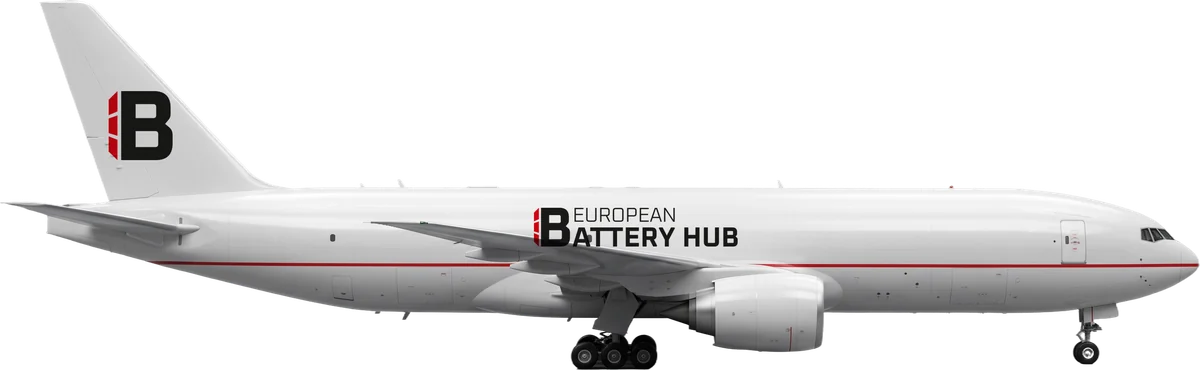
Cargo aircraft in side view with the European Battery Hub logo (illustration)
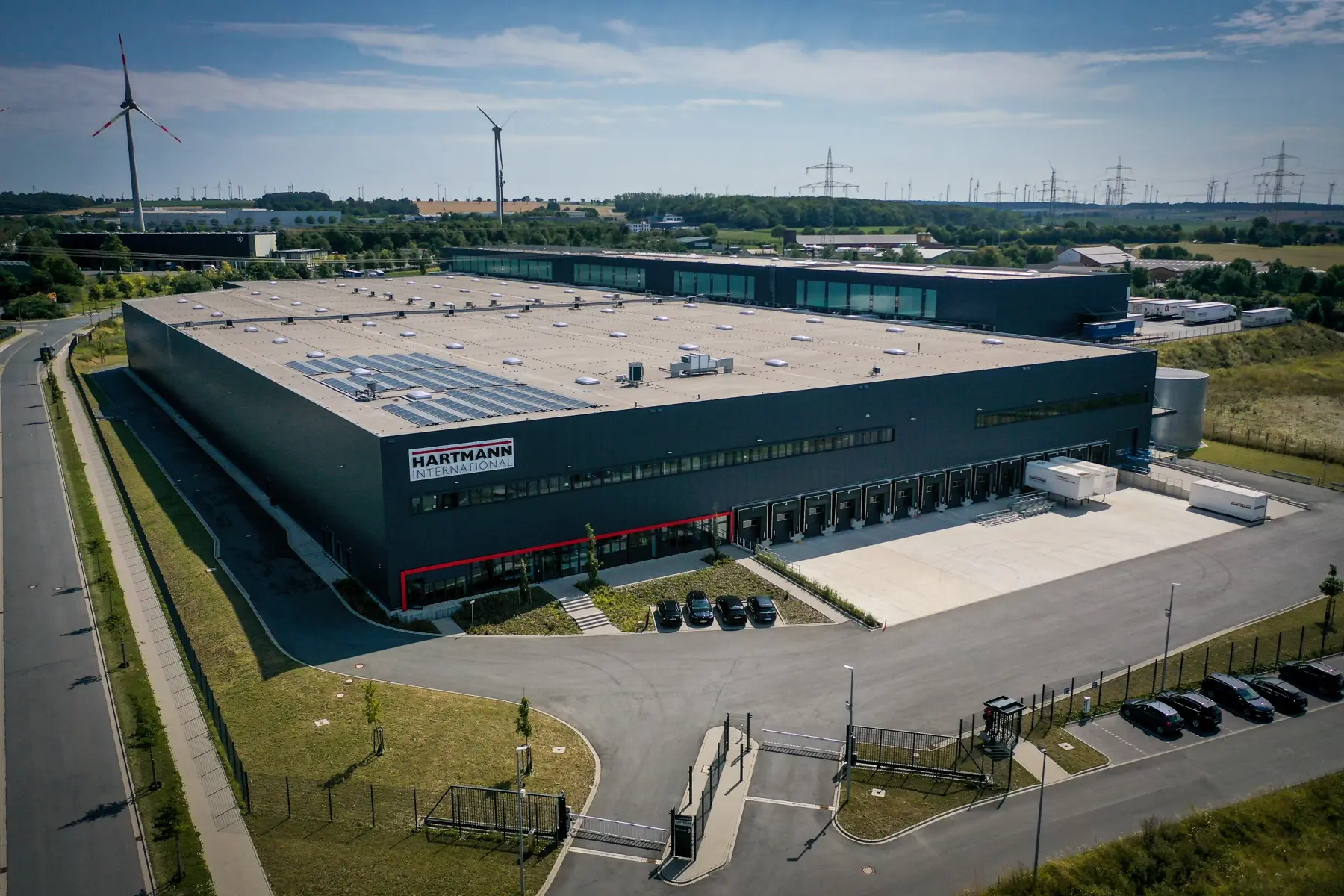
Aerial view of the European Battery Hub in Paderborn with solar panels on the roof

Dangerous goods transport as part of battery logistics

At the European Battery Hub, dangerous goods transport is part of a chain at one site: batteries are stored in the hazardous materials warehouse (WGK 3, class 9 M4) in Paderborn and leave from there on our own ADR vehicles as groupage or full loads via our freight forwarding, while large, heavy storage systems travel as heavy transport for battery storage systems.

We can take care of class 9 labeling (UN 3480 and UN 3481), and we document every shipment, from the hazardous materials warehouse to delivery.

All from one source

The battery logistics chain at a glance

Certified storage

Certified storage of lithium-ion batteries in a hazardous materials warehouse designed for WGK 3 and ADR class 9 (M4): 20,300 m² with 45,000 storage spaces.

Right for you if you want to store lithium-ion batteries safely and insurably, in a new building planned specifically for hazardous materials.

  • FM Global sprinkler system for hazardous materials
  • Firefighting water tank holding around 1 million liters
  • Fire water barrier
  • KfW 40 new build with no more than 40% of a reference building’s primary energy demand
To the battery warehouse
Area
20,300 m²
Storage positions
45,000
Water hazard class
WGK 3
Dangerous goods
Class 9 (M4)

Dangerous goods transport (ADR)

ADR transport of class 9 lithium-ion batteries to more than 40 countries, with trained staff; classification as UN 3480 or UN 3481 is done by the consignor.

Right for you if your batteries have to be moved as dangerous goods under ADR, within Germany or to one of more than 40 countries.

  • Own ADR fleet
  • Staff trained specifically for ADR transport
  • 5-tonne forklift on board to set down containment boxes at your site
  • Storage, customs and transport with one point of contact
Reach
more than 40 countries
Dangerous goods
Class 9 under ADR
Classification
UN 3480 / UN 3481
Test basis
UN 38.3

Customs service

Customs temporary storage for up to 90 days; if needed, we apply for a bonded warehouse with no time limit, with 2 to 3 months of lead time. On re-export from the bonded warehouse, for example to Switzerland, duties are waived.

Right for you if your batteries come from a non-EU country and it is not yet decided whether they stay in the EU or travel on.

  • Efficient customs clearance inland, without waiting times at the port
  • Duties deferred instead of due immediately
  • Individual client solutions
To the customs service
Temporary storage
up to 90 days
Bonded warehouse
on application
Re-export
duties waived

Emergency response plan & containment box

A clear emergency process for critical and defective batteries: the battery containment box (Liio-Box) is covered by BAM specification 15854 and withstands up to 1,240 °C inside while the outside stays at a maximum of 52 °C.

Right for you if batteries are damaged, defective or critical and have to be safely enclosed in the containment box or transported.

  • Stainless steel tray catches leaking electrolyte
  • Lockable on all sides, forkliftable and stackable
  • Reusable for storage and transport
  • Mobile: we bring the box to your site
To the emergency response plan
Specification
BAM 15854
Inside
up to 1,240 °C
Outside
max. 52 °C

Inbound inspection & monitoring

At the inbound inspection gate, batteries pass a temperature check, and oversized goods go through their own goods receipt processes; in the warehouse, a thermal imaging drone checks the stock around the clock.

Right for you if you want the condition of your batteries documented without gaps from arrival to dispatch.

  • Only undamaged batteries go into storage
  • Cameras and sensors record item number, temperature, volume and condition
  • Round-the-clock thermal imaging, fire alarm system and gas detection
  • Digital twin for target/actual stock reconciliation
To the inbound inspection gate
Inspection
temperature and condition
Monitoring
24/7 by drone
Stock
digital twin
Transparency
data in the customer portal

Reverse logistics & second life

Transport to recycling or into a second life, arranged through a specialized partner, directly from your site and without interim storage in Paderborn.

Right for you if used or defective batteries need to go to recycling or into a second life.

  • Collection at your site, packed to ADR standards
  • Directly to the recycler or into second-life use
  • Recycling via our partner's recycling and disposal network
To reverse logistics
Transport
via a specialized partner
Standards
DIN EN ISO 9001 and 14001
Contacts

Your contacts

Talk directly with our business development team.
We will get back to you within 24 hours on business days.

FAQ

Frequently asked questions about dangerous goods transport

How must lithium-ion batteries be packaged and labeled for ADR transport?

Batteries above the special provision 188 limits (cells over 20 Wh, batteries over 100 Wh) travel in UN approved packaging, protected against short circuits and marked with hazard label model 9A and the UN number. The cell and battery type must have passed the UN 38.3 type test; exceptions apply, for example, to prototypes (SP 310) and damaged batteries (SP 376). We can take care of marking; packaging and the transport document are the consignor's responsibility.

Read more: UN 38.3 explained

What does ADR 2025 change for lithium batteries?

ADR 2025 has applied since 1 January 2025 and became mandatory on 1 July 2025. For batteries: critically defective batteries under special provision 376 move to transport category 0 via the new special provision 677; sodium-ion batteries are regulated as UN 3551 and UN 3552; vehicles powered by lithium-ion, lithium metal or sodium-ion batteries have their own UN numbers (UN 3556 to UN 3558); and the lithium battery mark is now the battery mark. ADR 2027 follows on 1 January 2027.

Read more: ADR 2025 for batteries

Does the European Battery Hub also transport damaged or defective lithium-ion batteries?

Yes. We arrange the collection and transport of damaged, defective and critical lithium-ion batteries through a specialized partner, under ADR special provision 376 in tested special packaging (packing instruction P908, P911 for critically defective batteries). For critical cases we use the battery containment box with BAM specification 15854, which withstands up to 1,240 °C on the inside and reaches a maximum of 52 °C on the outside. The transport is integrated into our emergency response plan, from safe collection to the recycling plant.

Read more: Damaged and defective batteries

Which countries does the European Battery Hub transport batteries to as dangerous goods?

The European Battery Hub carries batteries as dangerous goods to more than 40 countries, by road (ADR), by rail (RID) and by sea (IMDG Code). We serve all overseas destinations, with a focus on China and Asia, and we also handle shipments to the Americas. For imports and exports we also handle customs clearance, including a customs holding warehouse (up to 90 days); if needed, we apply for a bonded warehouse (no time limit). This is how your batteries reach their destination in line with the rules and with complete documentation.

Read more: Customs service and bonded warehouse, Sea freight for batteries

Can the EBH also transport prototypes and pre-series without a UN 38.3 certificate?

Yes. For prototypes and small series that have not yet passed the test to UN 38.3, ADR special provision 310 applies, with the special conditions of packing instruction P910. As a specialist battery logistics provider, we guide manufacturers and developers through this special case; classification and transport documents remain the consignor's responsibility. Talk to us early so that we can plan the transport route to suit your packaging.

What does dangerous goods transport for lithium-ion batteries cost?

There is no flat rate. The cost depends on the UN number and condition of the batteries (intact or defective), watt-hours, quantity and weight, mode of transport, destination country and packaging. We calculate every transport individually and reply on business days within 24 hours of your inquiry, by phone or email from our team in Paderborn.

Arrange your dangerous goods transport now

Do you have questions, or would you like to arrange dangerous goods transport for lithium batteries? Our team in Paderborn advises you personally, by phone on +49 5251 7207-815 or by email at info@european-battery-hub.com. We respond within 24 hours on business days.

Response
within 24 hours on business days