
Marcel Niebuhr
Head of Business Development

The containment box for defective and critical lithium-ion batteries: we bring the mobile Liio-Box to you, or you rent a box permanently.
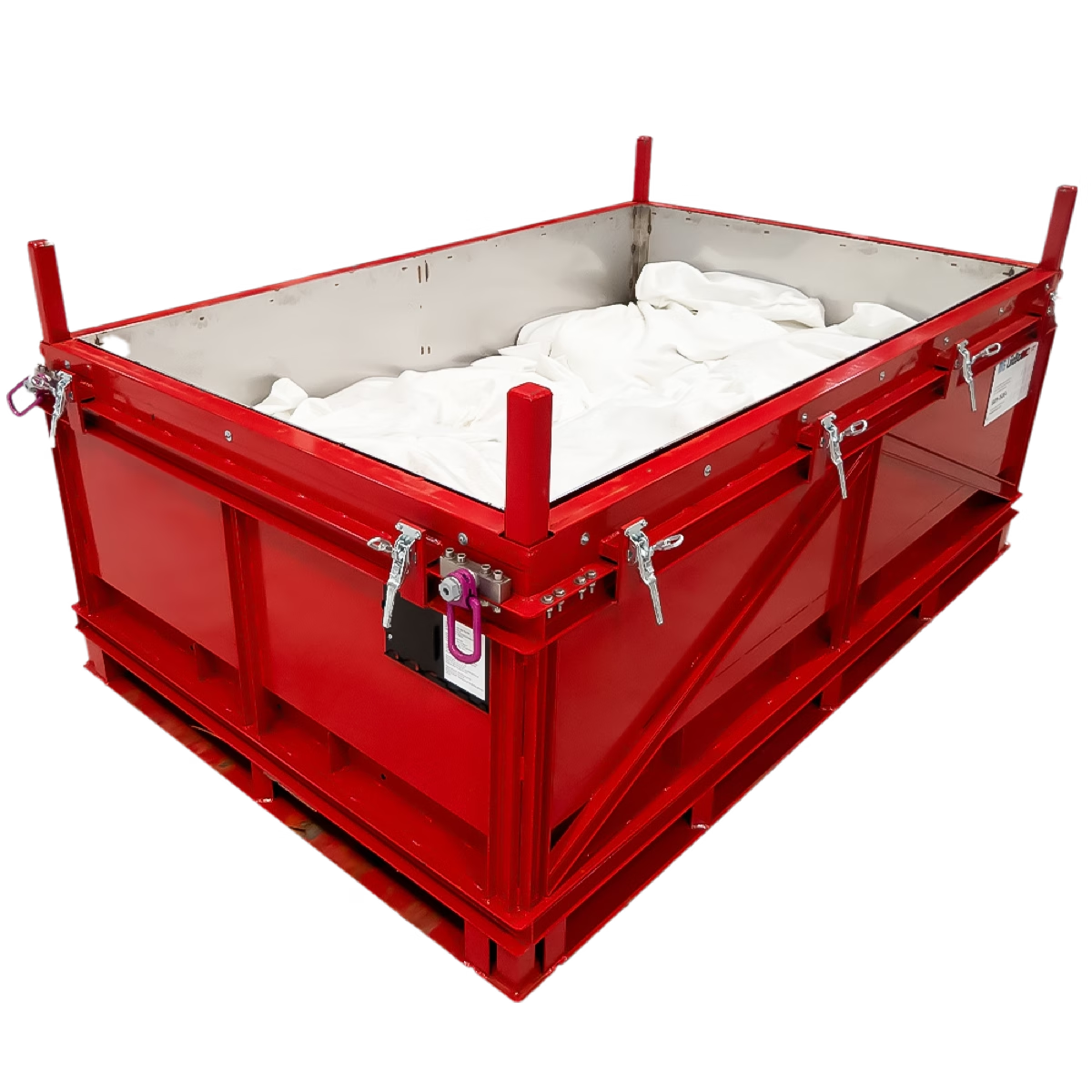
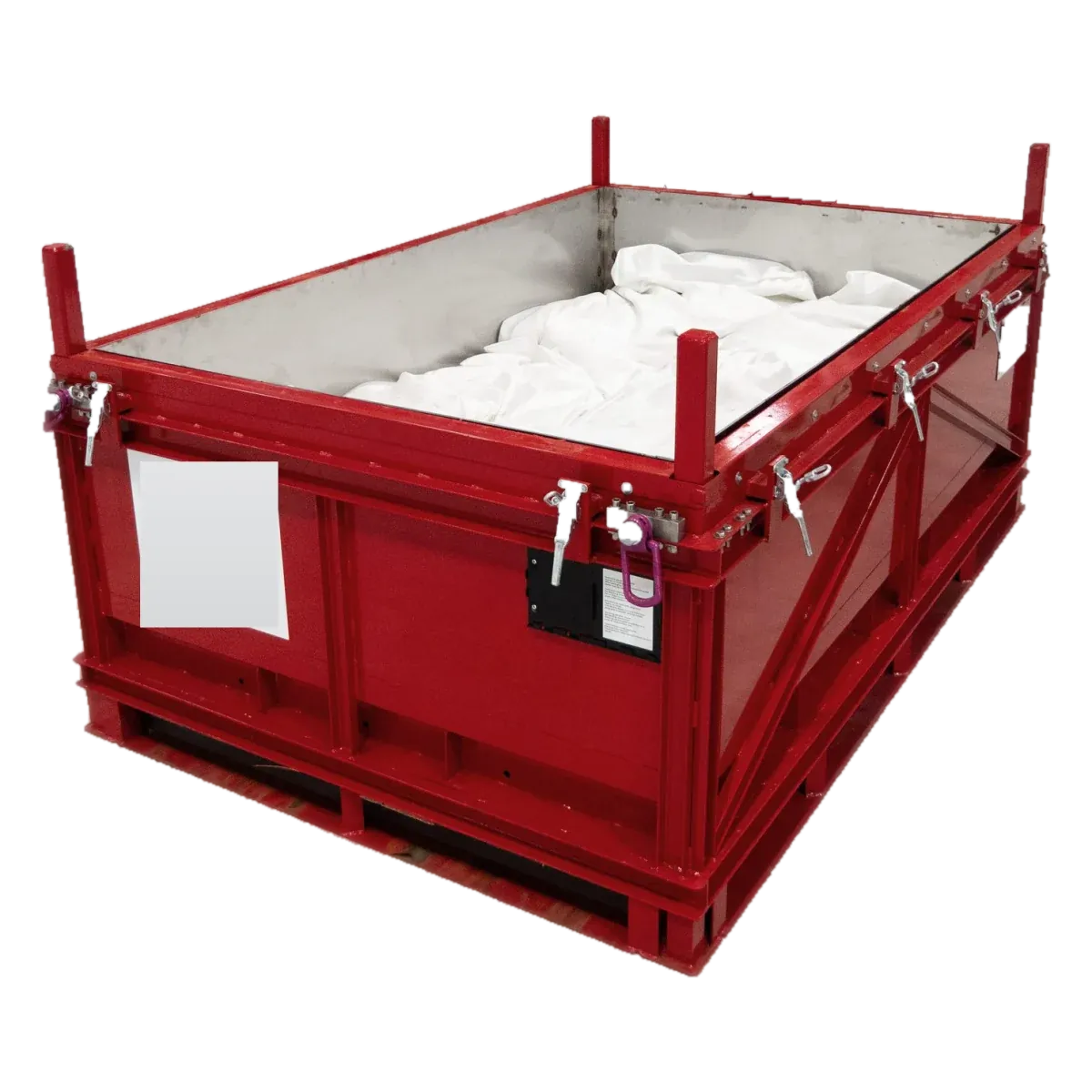
A battery containment box, also called a fire containment box or quarantine container, is a closed container that safely encloses defective, damaged or critical lithium-ion batteries, on site in an emergency and in transport. The European Battery Hub (EBH) in Paderborn, Germany, uses the Liio-Box: BAM specification 15854, rated up to 1,240 °C inside, no more than 52 °C on the outside.
Inside up to1,240 °C
Outside max.52 °C
The Liio-Box with BAM specification 15854 safely holds critical cells and keeps the heat in. A stainless-steel sump catches escaping electrolyte; the box is latched on all sides, forklift-accessible and stackable.
See the emergency response planThe Liio-Box is engineered from the ground up for the thermal runaway of a lithium-ion cell. For the box, BAM has set out the conditions for carrying critically defective lithium-ion batteries under number 15854.
When a lithium-ion battery is classified as defective, damaged or critical (DDLB), for example after mechanical damage, a short circuit or noticeable heating, it is placed in the battery containment box and locked in safely. This keeps a potential incident spatially contained and manageable. The containment box is mobile. We bring it to your site and place a critical battery inside on the spot. Or you rent a box on a standing basis and keep it ready at your site, so a conspicuous battery can be secured at once in an emergency. We then arrange collection of the box and transport to the recycler through our specialized partner. Classification follows ADR Class 9 (classification code M4, UN 3480 / UN 3481). How critical cells are identified and handled is covered on the page about defective batteries (DDLB); legally compliant carriage is handled by ADR dangerous goods transport. How the containment box fits into the three-stage fire protection is shown in how to store lithium batteries safely.
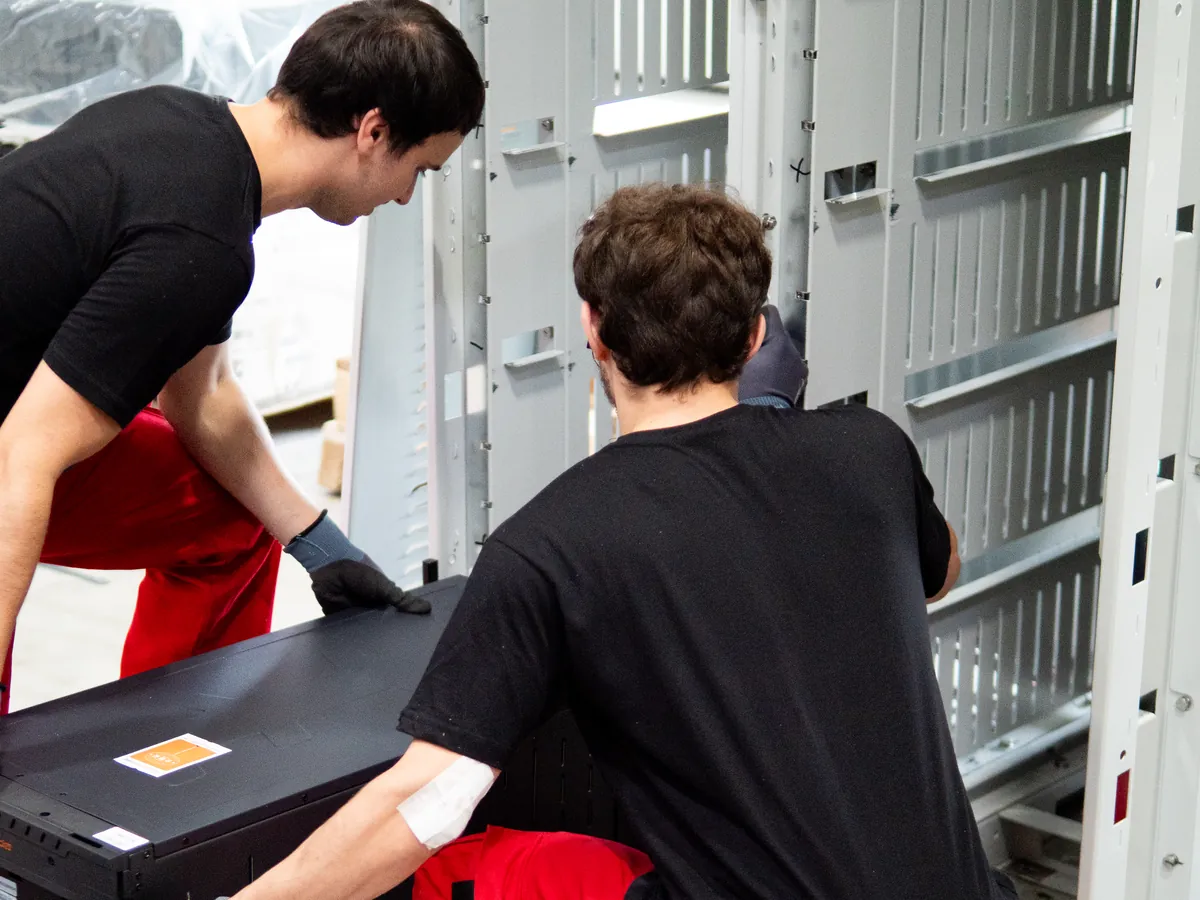
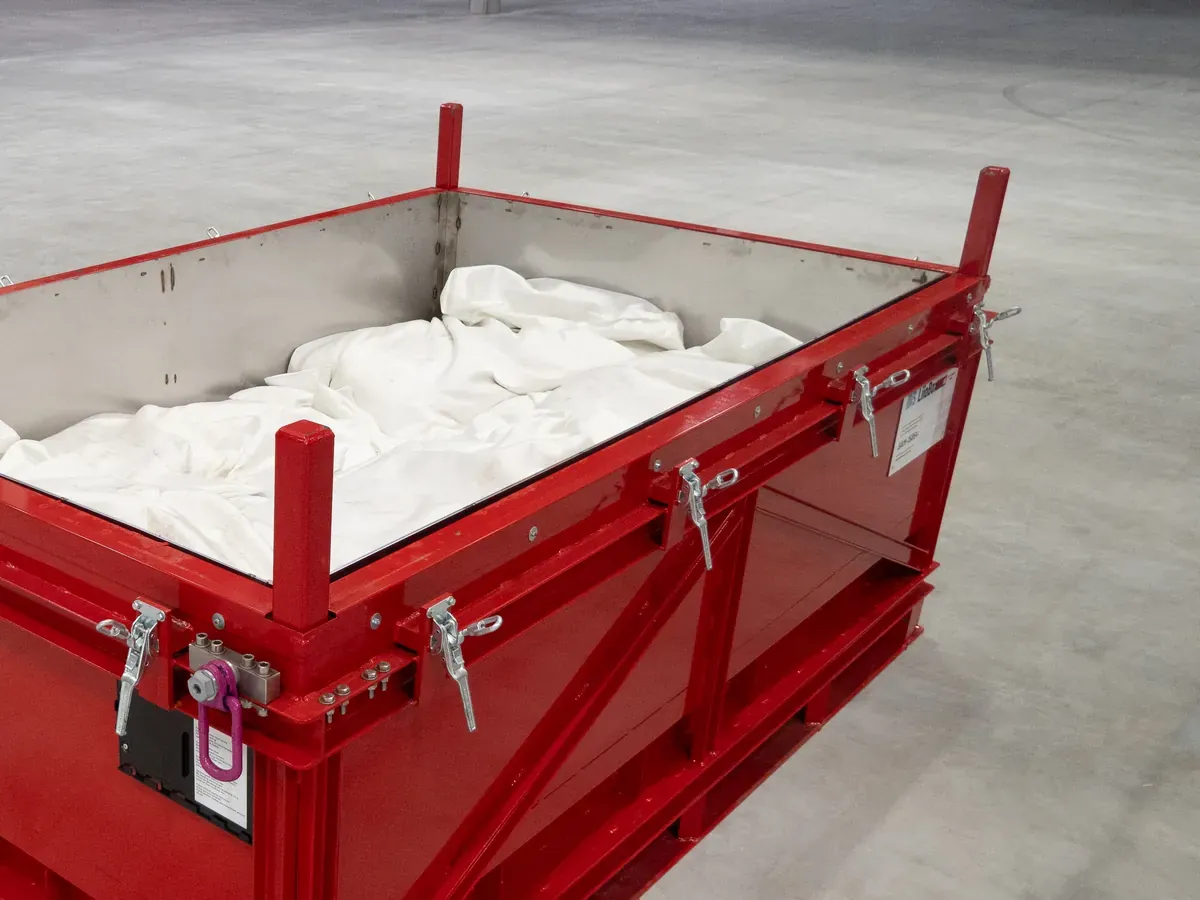
A tested large packaging for dangerous goods instead of a makeshift solution, with a verifiably documented BAM specification.
Up to 1,240 °C inside, a maximum of 52 °C outside, with a stainless-steel sump for escaping electrolyte.
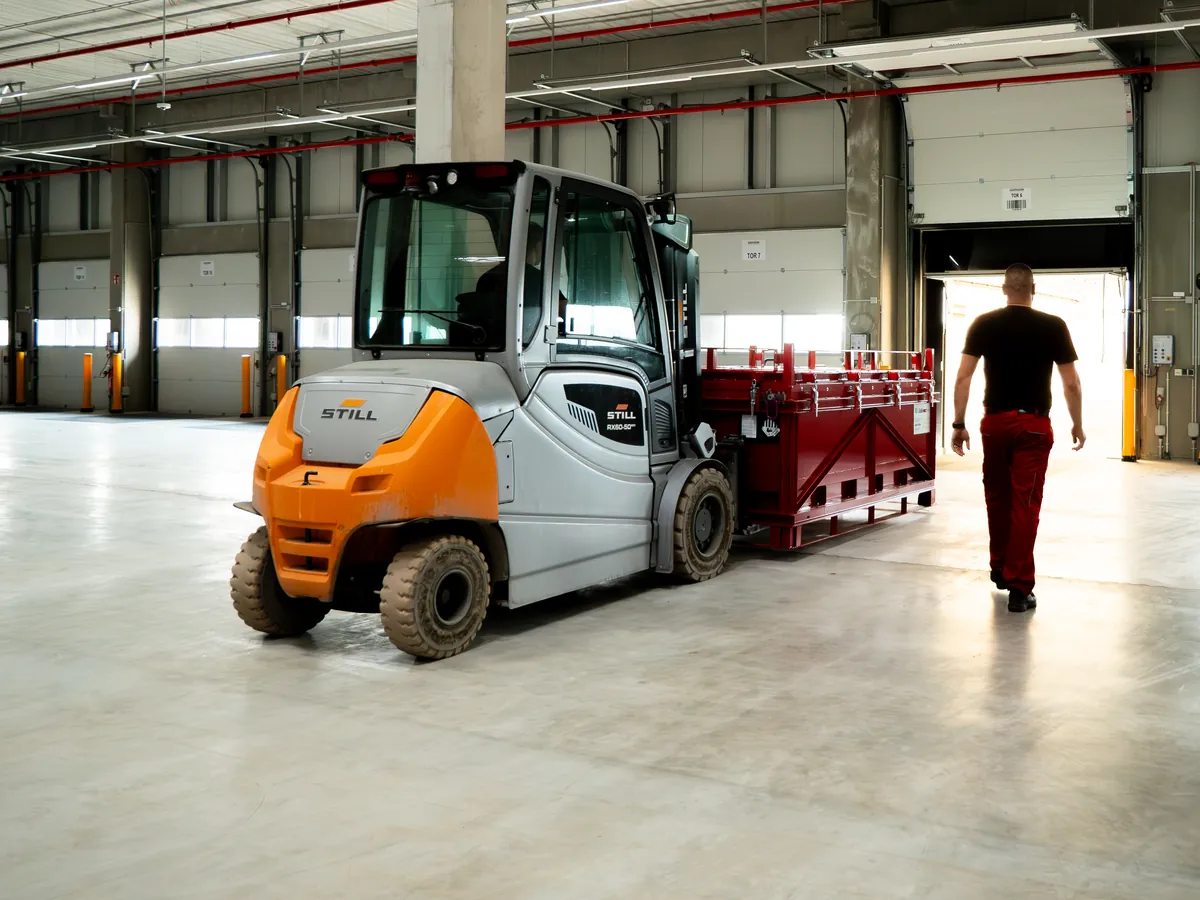
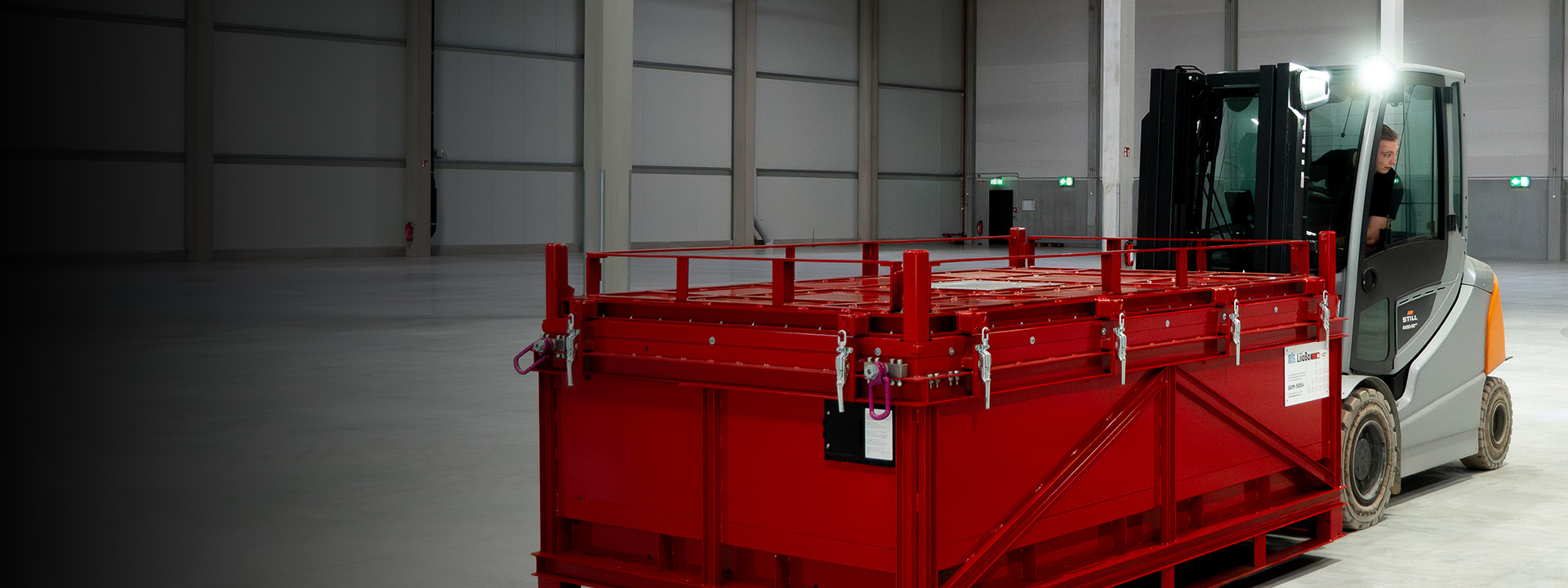
We bring the box to your site and set it down there with the 5-ton forklift on board, or you rent a box and keep it ready.
Latched on all sides, lockable, forklift-accessible and stackable: the box can be stored and moved by forklift like a pallet.
The battery containment box is one building block of the European Battery Hub safety and compliance system: ADR (dangerous goods Class 9) and DIN EN ISO 9001 and 14001. The box itself is covered by BAM specification 15854.
Talk directly with our business development team.
We will get back to you within 24 hours on business days.
Head of Business Development

Business Development Manager

Business Development Manager
A battery containment box is a dangerous goods packaging that safely receives defective, damaged or critical lithium-ion batteries and encloses them for transport. The Liio-Box used by the European Battery Hub is covered by BAM specification 15854, withstands up to 1,240 °C inside and reaches no more than 52 °C outside. This keeps a potential incident spatially contained.
The Liio-Box is a large packaging for dangerous goods with BAM specification 15854 and designed for the safe intake of critical lithium-ion cells, a tested solution rather than makeshift packaging. The European Battery Hub uses the mobile box to secure critical batteries on site and has them removed through a specialized partner.
In everyday use, the terms mean much the same thing: a closed container that holds defective or critical lithium-ion batteries so that heat, fire and escaping electrolyte stay inside. Manufacturers and dealers use the names differently. What matters is that the box is suitable and documented for the intended use, for example for transporting defective batteries under ADR. The Liio-Box at the European Battery Hub is covered by BAM specification 15854. Not to be confused with the permanently installed emergency container outside the warehouse, which the EBH is currently preparing.
The battery containment box, in the form of the Liio-Box, withstands internal temperatures of up to 1,240 °C, while its outer surface reaches at most 52 °C. An integrated stainless-steel sump safely catches any escaping electrolyte. These figures are deliberately designed for the thermal runaway of a lithium-ion cell.
Read more: Thermal runaway: causes, phases and extinguishing
The containment box is for defective, damaged or critical lithium-ion batteries, for example after mechanical damage, a short circuit or noticeable heating. Under dangerous goods law, they remain UN3480 or UN3481 of Class 9, and ADR special provision 376 also applies to their transport. This way, abnormal cells are safely contained and kept apart from intact goods.
Read more: Shipping damaged lithium batteries
We arrange collection of the box and transport to the recycler through our specialized partner. Our partner moves critically defective batteries in special transport boxes. Its drivers are specifically trained to handle used and damaged batteries, and the truck carries the right emergency equipment. Because defective batteries are often classed as waste, the partner holds the permit for waste transport and has a connected recycling and disposal network. Carriage follows ADR Class 9 (M4).
Yes. At the European Battery Hub, the containment box is one building block of the emergency response plan: from taking in defective batteries to ADR transport through our specialized partner. The European Battery Hub does not store damaged batteries in the hazardous materials warehouse. The round-the-clock thermal imaging check by drone, the fire alarm system and the gas detection add to this, so critical batteries are detected early.
Read more: Emergency response plan
Do you have defective or critical lithium batteries that need to be safely enclosed and collected? Talk to our team, we respond within 24 hours on business days.